

Yukon vs Yukon XL: Which One Will Work Best for You?
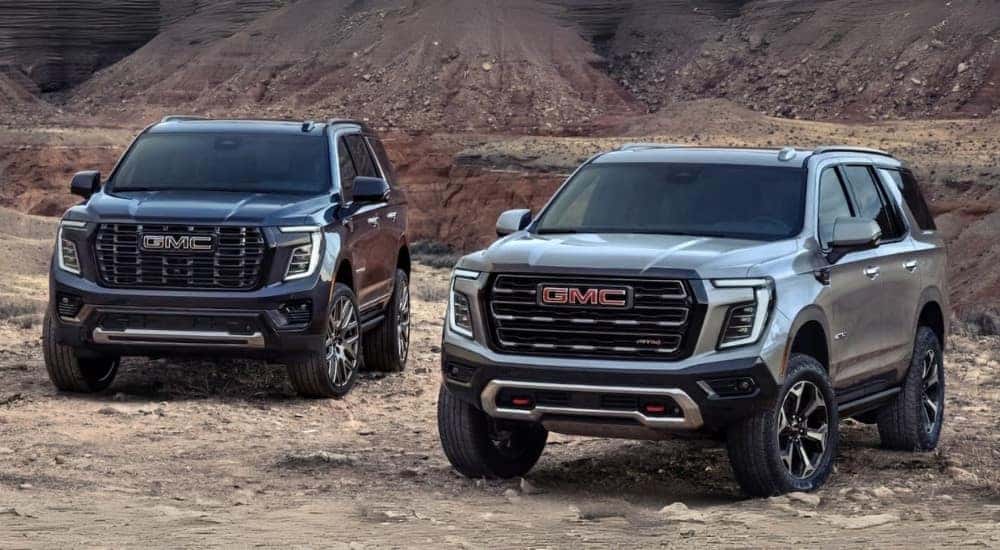
If you’ve been searching for a GMC Yukon for sale, you’ve probably noticed that there’s another version right alongside it called the GMC Yukon XL. At first glance, they look nearly identical. Both are big, bold, and brimming with the capability and comfort for which GMC is renowned. But while they share much of the same DNA, the Yukon and Yukon XL have slightly different strengths that could make one a better fit for you than the other.
Choosing between these two models comes down to more than just reading through a list of measurements. It’s about understanding how each one feels in real-world scenarios, how they accommodate your passengers and cargo, and how they reflect your daily routine. The Yukon might be the right call for someone looking for an adaptable family SUV with excellent maneuverability, while the Yukon XL shines for drivers who need max interior space and strong performance. Let’s dig into the differences so you can decide which one will be the right choice for you.
A Tale of Two SUVs: Similar Yet Distinct
The GMC Yukon and Yukon XL are cut from the same cloth. Both are full-size SUVs with an unassailable road presence, a chic interior, and GMC’s newest technology and safety features. They share the same trim levels, engines, and general styling, so you’re getting the same platform no matter which one you choose.
Where they diverge is in length and the space that comes with it. The 2025 Yukon XL extends an additional 15 inches compared to the standard Yukon. On paper, it might not sound like much, but in practice, it transforms the rear cargo area and gives third-row passengers noticeably more breathing room. Families who regularly carry a lot of people or gear might lean toward the Yukon XL for that reason, especially if they also like the idea of extra storage without sacrificing seating capacity.
The Yukon, by comparison, has a slightly more compact footprint, though “compact” is relative here. It’s still a huge SUV, but the shorter length can make maneuvering through parking lots or packed city streets a bit less stressful. Drivers who want a big SUV without feeling like they’re piloting a bus find this appealing.
Performance-wise, both models have strong towing capabilities, robust powertrains, and comfortable rides. The decision isn’t about which one is mechanically “better,” but which one better matches how and where you drive. It’s a decision about personality and practicality as much as it is about specs.
Space: How Much Is Enough?
Many shoppers find that the defining difference between the Yukon and Yukon XL comes down to interior space. If you’ve ever packed for a long family trip and had to make tough decisions about what to leave behind, the Yukon XL will feel like a dream. That extra length means the cargo area behind the third row is significantly larger, with 41.5 cu.ft. instead of 25.5 cu.ft., so you can keep all seats in use and still load up. You can even store oversized baby strollers or pet crates without folding a single seat.
The cargo space is still generous in the standard Yukon, but you’ll need to fold the third row more often for larger hauls. Hence, it’s a strong choice for those who don’t regularly carry a full complement of passengers but still want plenty of room when needed. If your day-to-day driving involves school drop-offs, grocery runs, and the occasional weekend trip, the Yukon hits a sweet spot between utility and manageability.
The Yukon XL’s advantage also shows up when all three rows are in use. Passengers in the third row get an extra 1.8 inches of legroom—critical for teens and adults who won’t be thrilled to squeeze in for long drives. That makes the Yukon XL a go-to choice for larger families, carpoolers, or anyone who frequently takes road trips with a full crew. It’s also an advantage for businesses or organizations that often transport groups of people and their luggage.
Of course, with more interior space comes a slightly larger turning radius, so parking the Yukon XL may take a touch more planning. Still, when you need the utmost in interior comfort and flexibility, that’s a trade-off worth making.
Driving & Maneuverability: City Streets vs Open Roads
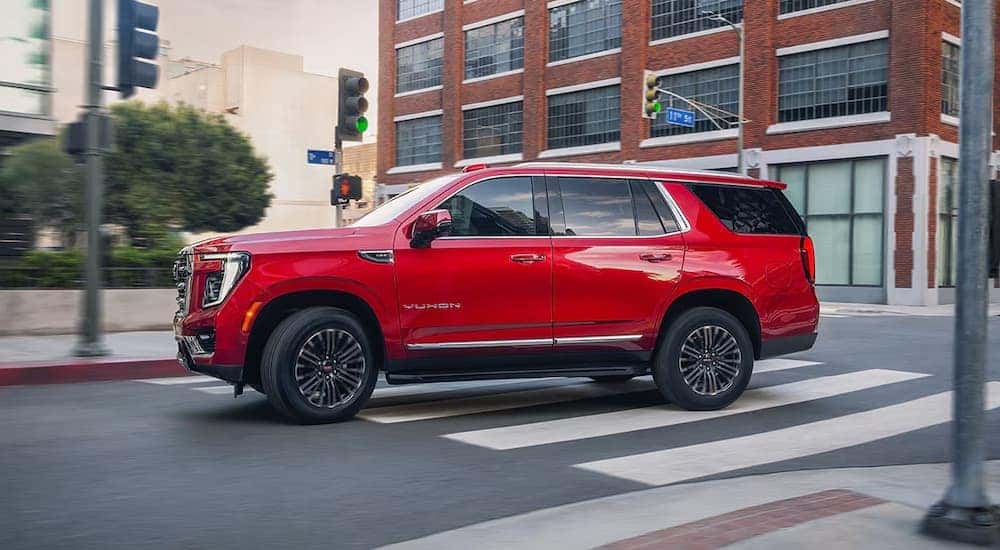
You might think the difference in length would dramatically change how these SUVs feel behind the wheel, but GMC makes both comfortable to drive. Still, the Yukon’s shorter overall size does make it a bit nimbler in cramped spaces, and it can be easier to parallel park or wind through crowded parking structures. If your daily driving takes you through busy city streets or narrow neighborhoods, you’ll probably notice some difference.
Though it’s a longer vehicle, the Yukon XL still handles remarkably well. On the highway, that extra length can even be an advantage, as it gives the vehicle a slightly smoother and more planted feel at higher speeds. Drivers who do a lot of interstate cruising, long road trips, or towing might appreciate the Yukon XL’s steady demeanor. That extended wheelbase easily soaks up bumps, making long journeys feel less tiring for everyone on board.
Both models share the same suspension options, including an available adaptive air suspension, so you can fine-tune driving for comfort or capability. And because they share the same powertrains, acceleration and towing capacity are virtually identical. Thus, you’re not sacrificing muscle for size in either direction. No matter which powerplant you choose, both SUVs provide outstanding pulling power.
One subtle difference you might notice is in turning around or making U-turns. The Yukon has a tighter turning circle of 39.4 feet instead of 43.3 feet, which is helpful in suburban and urban settings. The Yukon XL requires a bit more wiggle space, but seasoned SUV drivers usually adapt quickly. Once you get used to the Yukon XL’s length, it feels like second nature to position it just right in parking spaces or while backing up.
Find the Right Fit: Matching the SUV to Your Needs
Selecting between the Yukon and Yukon XL depends on individual needs and usage. The Yukon XL boasts increased cargo and passenger space, which can be beneficial for transporting sports equipment, attending school events, or taking weekend trips. This additional capacity allows for more storage without requiring a roof rack or trailer, providing practical convenience for various activities.
The Yukon XL also has a slight edge for drivers who frequently travel with pets, especially large dogs. The extra space behind the third row can be set up as a comfortable, secure area for your furry co-pilots without compromising seating. Pet owners who enjoy bringing their animals along for the ride often find the Yukon XL’s extra room invaluable.
However, if your household is smaller or your big trips are less frequent, the Yukon has all the luxury and capability of the Yukon XL in a package that’s a bit easier to manage. It still has plenty of cargo space for home improvement projects, holiday shopping sprees, or those spontaneous camping trips. It fits comfortably into most lifestyles without demanding too much from your parking situation.
If you live in a neighborhood with narrow driveways and streets or limited parking, the Yukon may save you some day-to-day hassle. It’s still a full-size SUV, but the shorter length gives you just a bit more leeway in those tricky spots. Over time, that can make ownership feel smoother and less demanding.
Price & Value: The Long-Term Picture
While the Yukon XL does cost more than the standard Yukon, the price difference is relatively modest considering the added space and versatility you get, with just a $3,000 difference for the 2025 models. That makes the Yukon XL a clear choice for some buyers, especially if it means avoiding the need for a second vehicle or additional cargo solutions for family trips. The advantage of always having room for more can’t be overstated.
Both models hold their value well, thanks to GMC’s reputation for sturdiness and the Yukon’s popularity in the full-size SUV market. No matter which model you choose, you’re investing in a vehicle that’s likely to retain strong resale value down the road. This is indeed an important consideration for buyers who like to trade in or sell their vehicles after a few years.
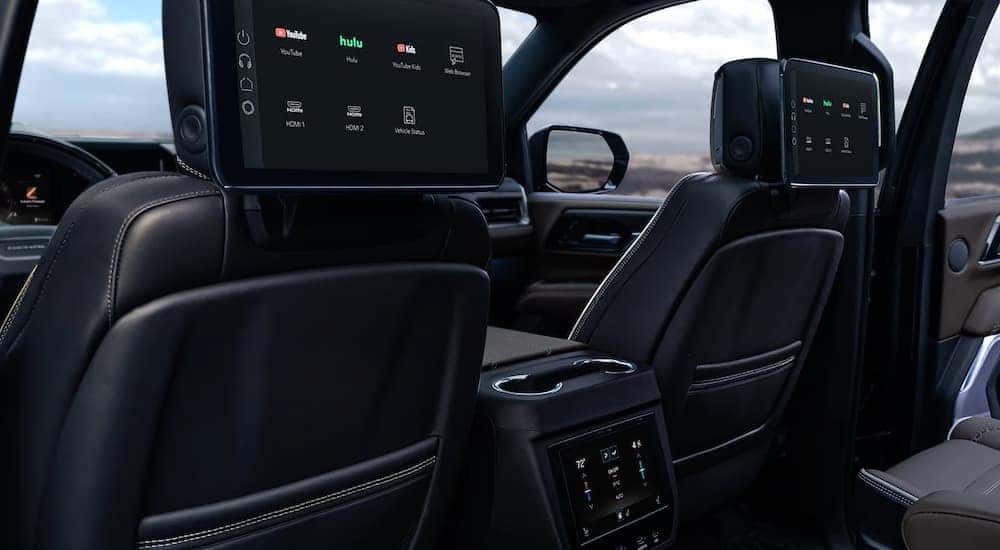
From a features perspective, you’re not missing out on anything by choosing one over the other. Both offer the same trims, so your decision really comes down to size, not amenities. Every Yukon, regardless of length, delivers GMC’s high-end touches and keen attention to detail.
The Bottom Line: You Can’t Go Wrong
At the end of the day, the GMC Yukon and Yukon XL are both superb choices for people who want full-size capability with a premium vibe. The Yukon gives you a little more agility and is easier to live with if you spend a lot of time in cramped spaces. The Yukon XL rewards you with extra passenger and cargo room, making it ideal for big families, road trip enthusiasts, and anyone who likes to bring along everything they might need. No matter which one you choose, you’re getting an SUV bound to impress.
The best way to decide is to experience both models firsthand. Have your kids sit in the third row, check out the cargo space with all the seats up, and take each model for a spin. You’ll quickly get a sense of which one feels like the right match. Comparing them in person is often the clearest way to see the advantages of each.
Choosing between these two comes down to personal priorities. We take the time to understand how you plan to use your SUV, so we can help you pick the one that will check all your boxes. Either way, you’ll be getting one of the most capable and comfortable full-size SUVs on the market today—ready for everything from school runs to mountain journeys.
0 comment(s) so far on Yukon vs Yukon XL: Which One Will Work Best for You?