

EV Performance in Cold Weather
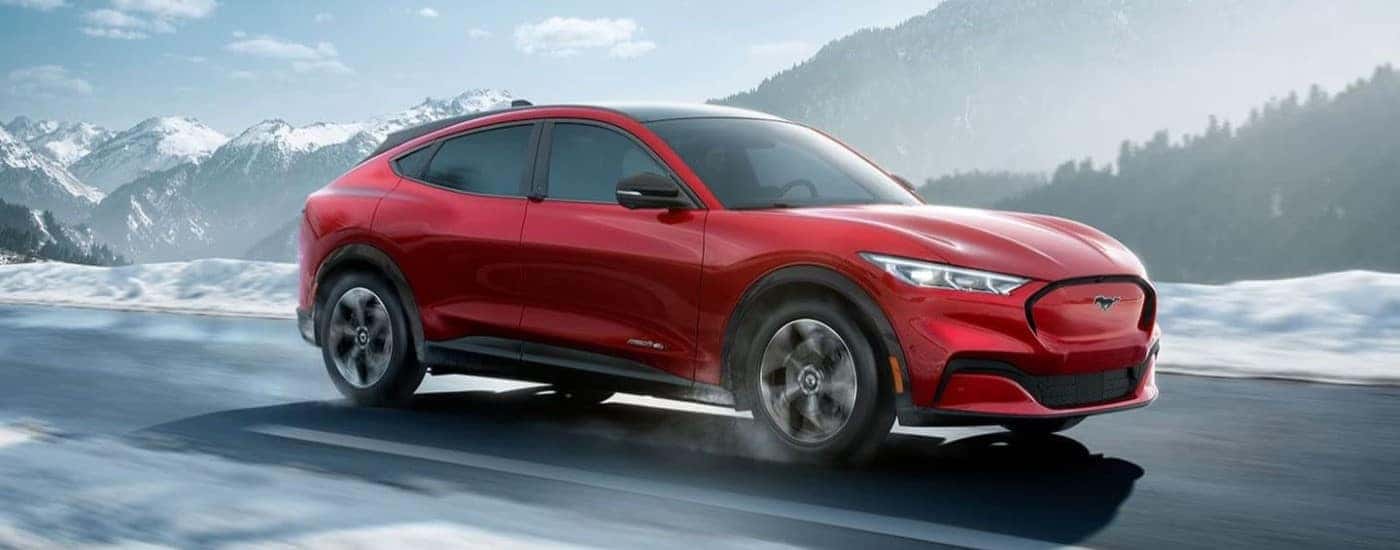
Today’s electric vehicles boast a number of advantages over their gas-powered cousins. From lower fuel and maintenance costs to unparalleled torque and the obvious environmental benefits, there are plenty of reasons to consider an EV when it comes time for your next vehicle purchase. That said, the technology does have one notable drawback: EV performance in cold weather. Because they’re powered by large lithium-ion batteries, EVs tend to lose some driving range when the thermometer starts to drop.
While this can seem like a limiting factor for drivers in cold-weather areas such as Colorado, there are plenty of ways to minimize the effects, making EVs a practical choice for drivers in any climate. Before you rule out buying an EV, let’s take a moment to examine how cold temperatures truly affect EV range, how this compares to traditional gas-powered vehicles, and what steps drivers can take to ensure they’re not left out in the cold on their EV journey.
How Cold Is Too Cold for EVs?
While warm and cold temperatures can both have a detrimental effect on overall EV range, it’s the low temps that you really need to keep an eye out for. But how cold is too cold, and what’s the optimal driving temperature for an EV? After an exhaustive survey of more than 5.2 million trips across 4,200 EVs, analytics company Geotab has the answer.
According to the study, an EV’s range can be expected to hover around 100 percent when the temperature is between 40º and 100º F. Once temperatures fall below freezing, EV range drops to around 80%, with Geotab estimating electric vehicles offer around half of their rated range when temperatures hit -10º F. That said, not all EVs are created equal when it comes to cold weather performance, and some other studies have produced more optimistic results.
According to a study by battery analysis firm Recurrent, an EV’s range in freezing temperatures will be reduced by around 15 to 30 percent, depending on the specific make and model. Recurrent compared data from 7,000 vehicles spanning 13 models and, as one might expect, some brands perform better than others. This can largely be credited to the fact that some brands employ a heat pump to heat the vehicle’s interior rather than a less efficient resistive heating system, which goes a long way in reducing the drain on the battery.
Another factor that contributes to reduced range in cold weather is the use of air cooling for the battery. More advanced EVs use an advanced liquid thermal management system to keep batteries warm in the winter and cool in the warmer months, but some models rely on an air cooling system that, while cheaper to install, is also less efficient. Given the discrepancy between brands, models, and even trims, it’s certainly worth doing your research before setting out to purchase a new EV that you plan on using year-round.
Why Does the Range Drop as a Result of Cold Weather?
This all begs the question: why do EVs have such a hard time in the cold? Some of it has to do with the chemical reaction that takes place inside the battery itself. Lithium-ion batteries are able to produce electricity thanks to a complex reaction involving liquid electrolytes, but as the mercury starts to drop, this reaction slows down, which affects the performance of the battery itself. In addition to reducing range, low temperatures can also lead to longer EV charging times due to the same slowing of the chemical reaction. This is an unavoidable part of modern battery technology, though it is mitigated by good thermal management systems, and things could well change in the future as researchers craft new, more cold-resistant battery chemistries.
However, the bigger contributor to reduced range in cold weather is cabin heating. Most drivers don’t stop to think about the fact that, in traditional gas-powered vehicles, the cabin is heated using waste heat produced by the 200º plus engine. Electric motors are far more efficient and don’t produce nearly as much waste heat, but that can be a disadvantage when it comes to heating the cabin during the winter. In order to keep things cozy, EVs convert electricity into heat, which siphons precious energy from the battery, meaning you have less power to drive the vehicle. It’s important to note that any battery range loss that occurs as a result of low temperatures is temporary. Today’s EV batteries are incredibly resilient and able to bounce back to the full advertised range as soon as the temperature starts to rise.
Gasoline Vehicles Also Lose Range in the Cold
While the reduced range brought on by cold temperatures is cited as a barrier to EV adoption, the fact is that the phenomenon is not unique to electric vehicles. Gas-powered cars, trucks, and SUVs face their own challenges in low temps, including the internal combustion version of reduced battery range: decreased fuel economy. When the thermometer falls below 20º F, gas-powered vehicles can suffer a 15 percent drop in fuel economy, ballooning up to 24 percent on shorter excursions of three or four miles. That might be less than an EV would lose at a similar temperature, but it‘s still an expensive reality for internal combustion drivers.
Reduced fuel economy isn’t the only problem for those behind the wheel of traditional gas-powered vehicles. Cold temps will also cause tires to lose pressure, falling outside the optimal PSI range and taking a toll on efficiency. Motor oil, transmission fluid, and antifreeze also tend to thicken up as it gets colder, reducing performance and potentially causing serious engine damage, which is why it’s so important to use the right type of motor oil for the season. Lastly, there’s the battery. Any driver living in Colorado knows the routine: you go to start your car on a cold winter morning only to be met with a few half-hearted attempts at turning over. The same slowing reactions that plague a lithium-ion battery also extend to the lead-acid batteries found in gas-powered vehicles, meaning no driver is safe from the ravages of Jack Frost.
How Can You Plan for Cold Weather?
With proper planning, it’s easy to reduce the effect of cold temperatures on your EV’s range. Before we wrap up, we thought we’d share a few tips for maximizing EV performance in the cold. From following a rigorous charging schedule to preheating your vehicle and making the most of regenerative braking, there are plenty of ways to give your EV an edge when cold weather hits.
Keep It Charged
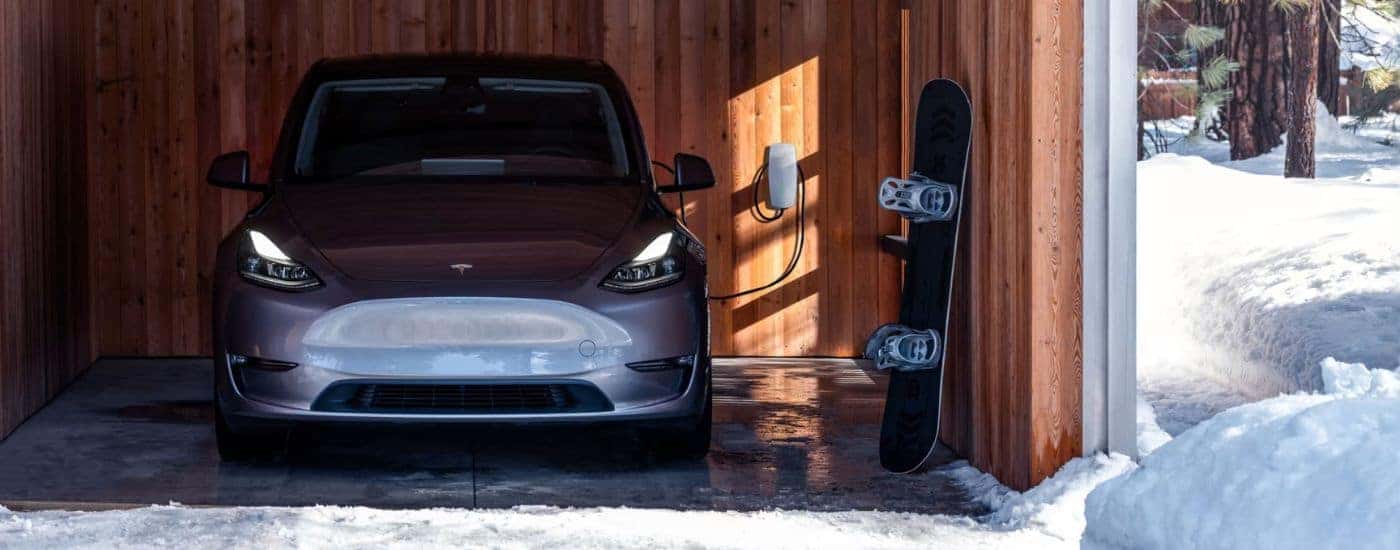
Developing good charging habits can be tough for new EV drivers, but it’s essential if you’re looking to maximize range. Keeping an EV charged when not in use ensures that the vehicle has all the energy it needs to warm the battery to an optimal temperature. If you’re experiencing a prolonged cold snap, it’s never a bad idea to keep the vehicle plugged in to allow the battery management system to do its thing without draining the battery.

Preheat While Plugged In
If you’re about to set off on a ride on a cold day, try turning on the vehicle while it’s still connected to the charger. This will allow an EV’s heating system to reach a comfortable temperature without taxing the battery, giving you a nice little heat boost right off the bat that’ll make it easier to maintain a warm cabin during the drive.
Heat Smarter
The old saying “heat the person, not the home” might bring up memories of your parents telling you to throw on another layer before touching the thermostat, but it can be valuable advice when dealing with a chilly EV. An EV’s cabin heater tends to be a real power glutton, draining the battery to bring the interior up to a comfortable temperature. On the other hand, heated seats and steering wheels draw very little power, making them a much more efficient way of keeping toasty. The heat from these sources will be transferred into your body via conduction, allowing you to stay comfortable without putting undue strain on the battery.
Drive Efficiently
Going easy on the accelerator and brake pedal can make all the difference when it comes to improving range. Aggressive driving isn’t efficient driving, so try to gradually accelerate and brake whenever possible. Many EVs come with an Eco Mode that will make the vehicle as efficient as possible, so that’s a good place to start if you’re facing low temperatures. Regenerative braking is another important technology to take advantage of, especially in the Colorado mountains, effectively topping off the battery every time you step on the brakes.

We Have Answers to Your EV Questions!
Are you looking for more tips on maximizing EV range? The experts at Faricy Automotive are here to help. As the dedicated EV arm of The Faricy Boys, we bring over 80 years of automotive experience to this exciting new segment. From showcasing the newest makes and models to educating our customers on the myriad benefits of the EV lifestyle and sharing tips and tricks that’ll keep your car rolling through years of eco-friendly driving, we’re the area’s one-stop shop for all things electric. We know that switching to an all-electric car, truck, or SUV can be intimidating, but we’re here to make the transition as easy as possible, leveraging our extensive automotive knowledge to demystify the world of EVs.
When it comes to selling EVs, the direct-to-consumer approach has worked for some brands, but we believe in a more personal, hands-on approach here at Faricy Automotive. We work with each customer to determine the perfect EV for their unique needs based on range, amenities, and other factors. We can even help you take advantage of the generous federal tax credit program for new and pre-owned models. We’re here for you every step of the way, from the moment you walk into our dealership, through the purchase process, and all the way until it’s time to trade in for a new model. Do you have questions about installing a home EV charger? We’re happy to recommend some trusted local providers who will get you up and running with the ideal home charging solution. If you’ve been curious about this new generation of efficient, zero-emission vehicles, make Faricy Automotive your first stop.