

Electric Car Repair
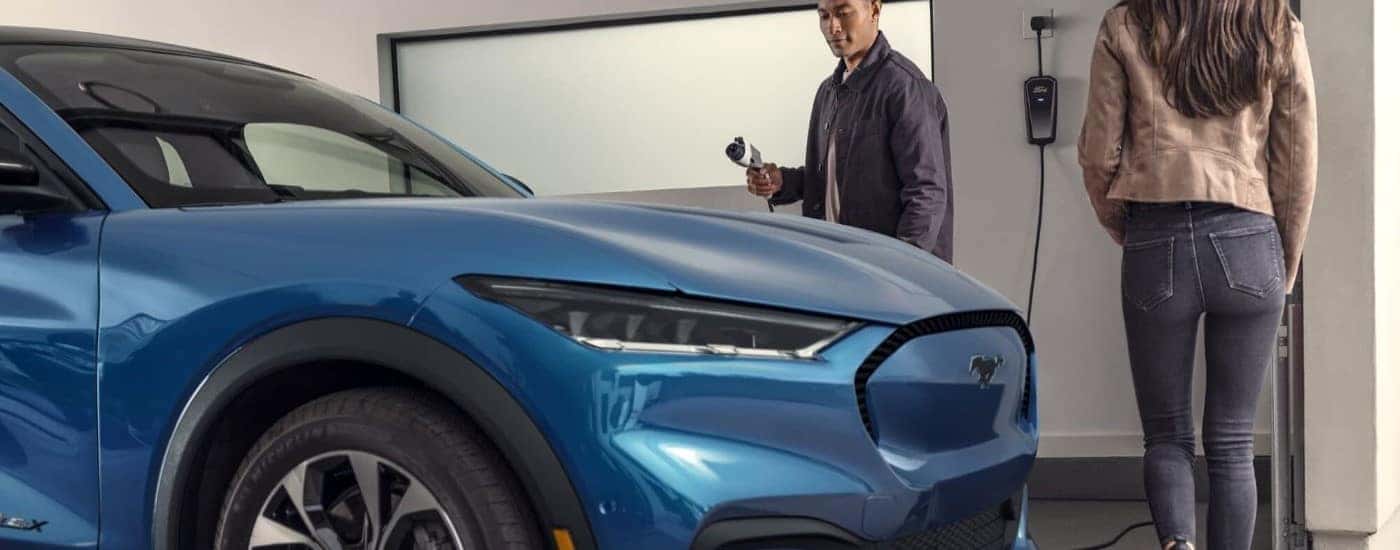
While there’s widespread discussion about driving range and recharging an electric vehicle, there’s also the question of what’s involved in electric car repair. We know that our gas-powered vehicles rely on routine oil and filter changes, fluid checks, and tire rotations. However, if a car doesn’t have an internal combustion engine, how does that impact its maintenance? It’s a critical question that customers need to have answered before investing in an EV.
Electric vehicles may not be a modern invention, but their popularity is new as the world’s major automakers lead the charge to build a greener future with zero emissions. These automakers are actively replacing their gas and diesel models with all-electric powerhouses that promise more capability and performance than we ever imagined. Of course, many drivers are still wondering if electric car repair and maintenance is as cost-effective and straightforward as gasoline vehicles.
As your EV authority, Faricy Automotive is here with those answers and more. We’ll look at the basics of electric car repair, the associated expenses, and how long electric cars can potentially run. We’ll also evaluate battery life and replacement and give you more insights into our expertise and the movement propelling us toward an all-electric future.
Can Electric Cars Be Repaired?
Electric car maintenance is easy because electric vehicles don’t rely on complicated internal combustion engines. Instead, EVs use a battery to power the electric motor, depending on the necessary electrical components to transmit that power, and systems like regenerative braking to capture wasted energy the battery can use later. As a result, repairing an electric car is more straightforward because there are fewer moving parts and fluids. Moreover, regenerative braking minimizes wear and tear on the brakes, which increases your savings by extending the lifetime of your EV’s brake system.
Repairing an electric car is straightforward because of the simplified drivetrain. However, these repairs require specialized training because an EV drivetrain differs considerably from an internal combustion engine. Fortunately, the growing demand for EVs means this specialized training is becoming standard, and dealerships like ours are adding EV-specific tools and technology to their service centers. Moreover, EV automakers are expanding their software suites to include more diagnostic-specific features that can proactively evaluate an EV’s condition, detect potential issues, and offer remote repairs via over-the-air software updates.
Are Electric Cars More Expensive to Repair?
Electric cars are renowned for their affordability, ensuring drivers save hundreds if not thousands of dollars annually on fuel by relying on far more affordable electricity. Think of the price of gasoline compared to the mere pennies you pay per kWh for electricity at home. But do those savings translate to the cost of ownership when it comes to maintenance and repairs?
For decades, the automotive industry has relied on internal combustion engines to power cars, trucks, and SUVs. While there have been ongoing advancements in engine design and technology, these advancements haven’t changed the essential function of a gas or diesel engine. As a result, mechanics across the country know the ins and outs of these engines, what tools to use, and the easiest and most reliable fixes for engine-related issues.
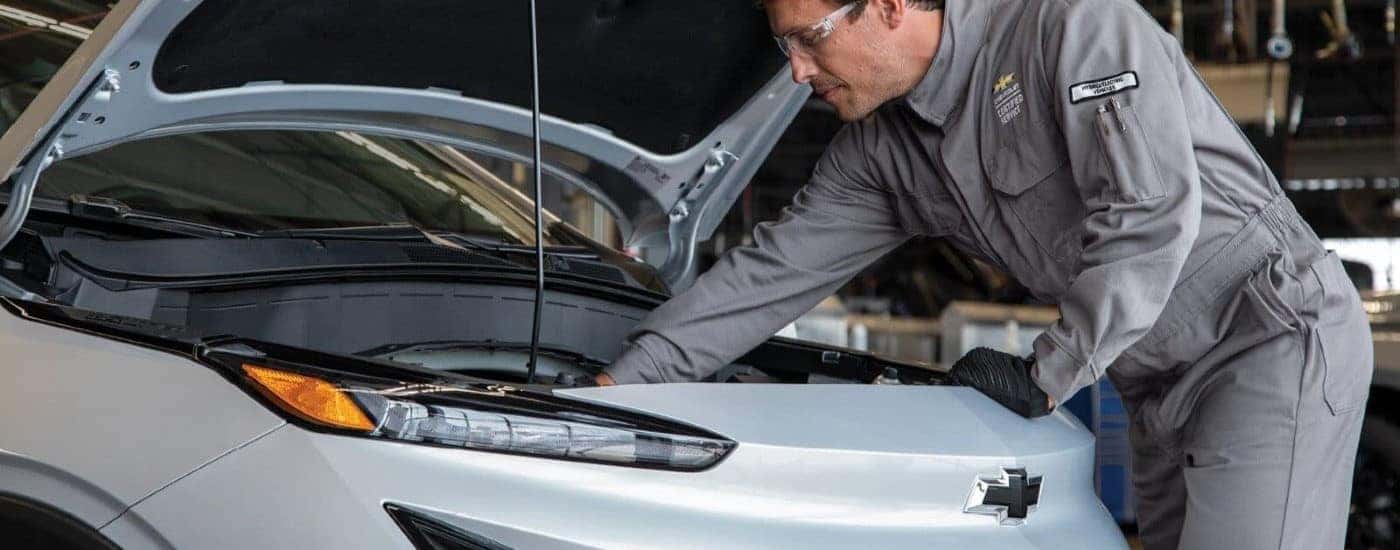
Electric vehicles are in high demand, with automakers and service technicians constantly working to keep up. The newness of electric-powered cars means there’s a learning curve at many service departments nationwide. Technicians are earning their EV certifications, but, as with any new skill, they spend more time on each EV as they learn how to diagnose and resolve the issue with the right tools and technology. While electric cars aren’t necessarily more expensive to repair, EV drivers sometimes pay more for these repairs because of the higher labor rates for these certified technicians.
This time spent repairing EVs will likely decrease as they become more widespread, and technicians hone their skills. However, many EV-related repairs do not involve the high-voltage electrical systems and can be completed by any certified technician. This includes common maintenance items such as tire rotations, multi-point inspections, and basics like replacing the windshield wiper blades and cabin air filter. In fact, most EV models do not require routine maintenance on any of the vehicle’s electrical components.
How Long Does an Electric Car Last? Will You Ever Have to Replace the Battery?
The lifespan of an electric car is very similar to that of a gasoline car. Most people cringe at the thought of having to replace the battery, immediately thinking of the lifespan of a standard car battery at three to five years. Fortunately, there’s a significant difference between the starter battery in a vehicle with an internal combustion engine and the main battery pack in a car with an electric motor. The battery most drivers are accustomed to is a lead-acid battery, but electric cars rely on lithium-ion batteries like those found in a laptop or smartphone. Lithium-ion batteries have longer lifespans and are renowned for holding their charge.
With its lithium-ion battery, an electric vehicle can easily last as long as a gasoline car. The battery is designed to last the lifetime of the vehicle, with many automakers providing extensive EV warranty coverage that lasts up to 100,000 miles. These warranties include battery replacement if the car’s range drops dramatically or other issues occur. While out-of-pocket replacement costs can be expensive, ongoing advancements in EV design are lowering production costs, including the price of replacement batteries.
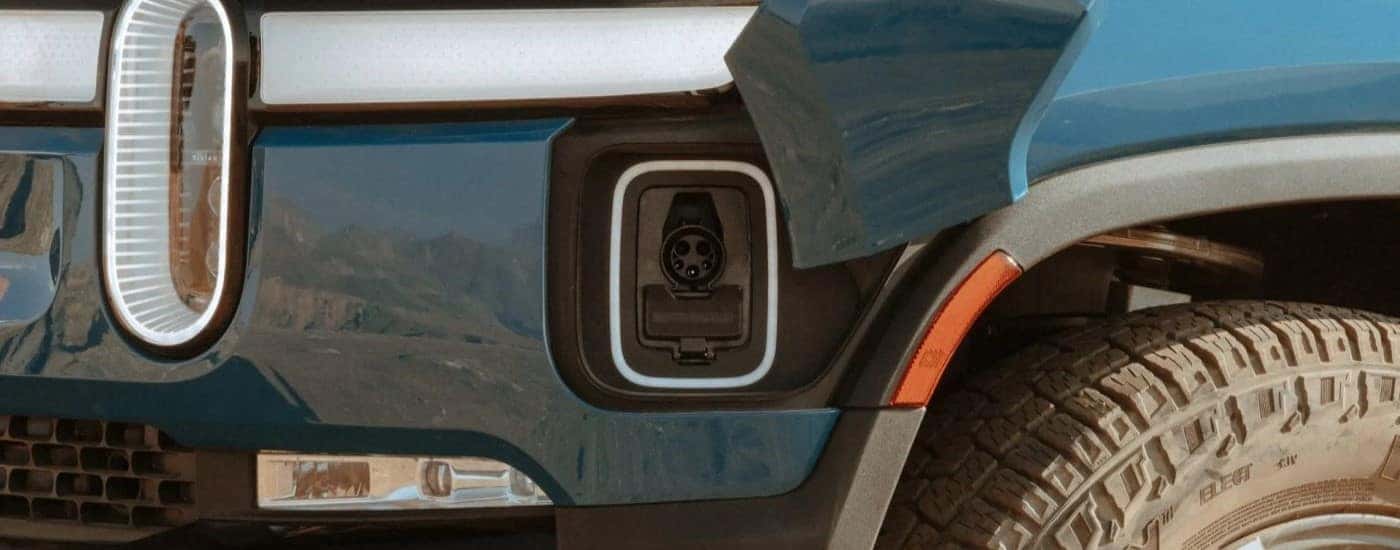
Beyond this, several other factors impact your electric car’s battery health. For example, every lithium-ion battery has a limited number of times it can be fully charged and discharged. However, you can extend battery life by not charging it past 80% or discharging it below 20% capacity. In addition, manufacturers discourage EV owners from solely relying on DC Fast Charging stations. This high-voltage charging is more efficient and convenient but generates intense heat and can reduce the battery’s lifespan. While using DC Fast Charging on the occasional road trip is fine, sticking to Level 1 and Level 2 charging for normal driving will help your battery last longer.

We Have the Answers to Your Electric Car Repair Questions
Are you excitedly watching as more automakers jump on the EV bandwagon? Electric cars are the future, reducing our carbon footprint and introducing us to a more affordable and engaging experience behind the wheel. Moreover, EV manufacturers are proving that the performance we expect from our gas and diesel cars, trucks, and SUVs only hints at what an electric vehicle can offer. That’s an exciting prospect, indeed.
As you explore your future in the driver’s seat, know that Faricy Automotive is here to help. We’re your EV authority and are dedicated to answering all your electric car questions, from learning more about electric car repair and maintenance to ownership insights, recharging basics, understanding driving range, and more. We’re a valuable resource and are proud to help you navigate an exciting new era of instantaneous electric power.
Where are you in your search for an EV? Do you have any other electric car repair questions? If so, Faricy Automotive is always ready to lend a hand. Don’t hesitate to contact us with your questions or for help narrowing down your search. We’re passionate about EVs and dedicated to helping customers like you.